Back to School – Children’s Eye Care – Consultório – Porto Canal
The start of a new school year is always a time of excitement and discoveries. However, it is also when many parents and teachers face concerns and doubts that their child may not be seeing well. Vision plays a central role in the learning process, as it is a fundamental sensory modality for understanding, maturing, and articulating written and spoken language functions. Undiagnosed visual problems can easily be confused with inattention, learning difficulties, or lack of motivation. Therefore, the return to school season is an excellent time to reflect on children’s eye health and, when necessary, seek an ophthalmological screening.
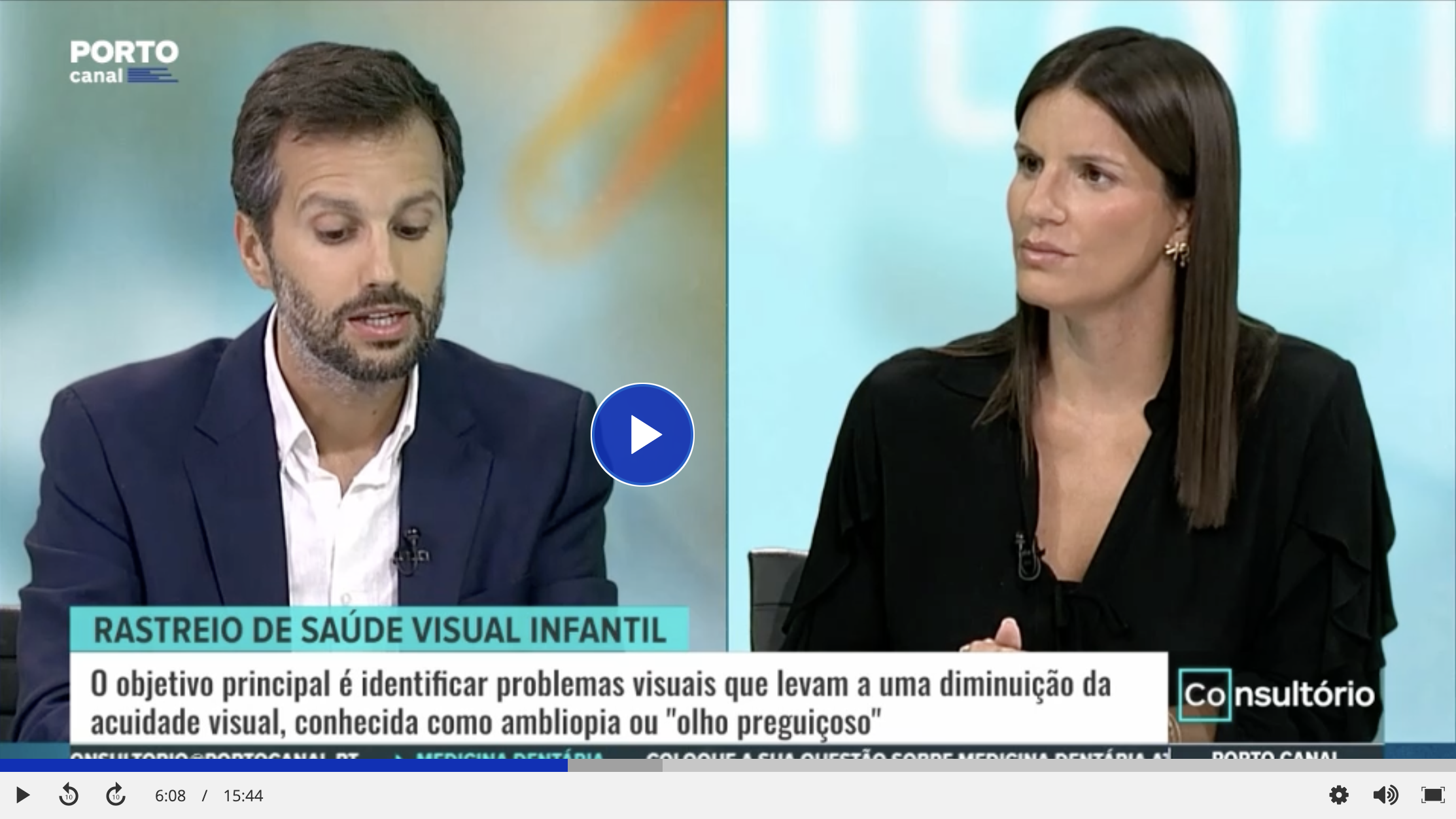
See an interview for Porto Canal about the return to school:
The Importance of Screenings
- Strabismus;
- Differences in prescription between the eyes (anisometropia);
- Myopia, hyperopia, or high astigmatism;
- Less common but serious conditions, such as congenital cataracts.
The recommendation is clear: SCREEN. The first time, even with no family history or apparent signs and symptoms, is around age 2.
Therefore, we should not wait until children start school to evaluate their vision. The earlier we detect changes, the greater the likelihood of effective treatment and avoiding permanent vision loss.
Main problems to watch out for
- Refractive errors (myopia, hyperopia, and astigmatism): These are common and may justify the need for glasses. When left uncorrected and significant, they reduce academic performance.
- Ocular surface pathology: Symptoms such as itching, burning, or a gritty eye sensation can lead to loss of focus and attention in the classroom.
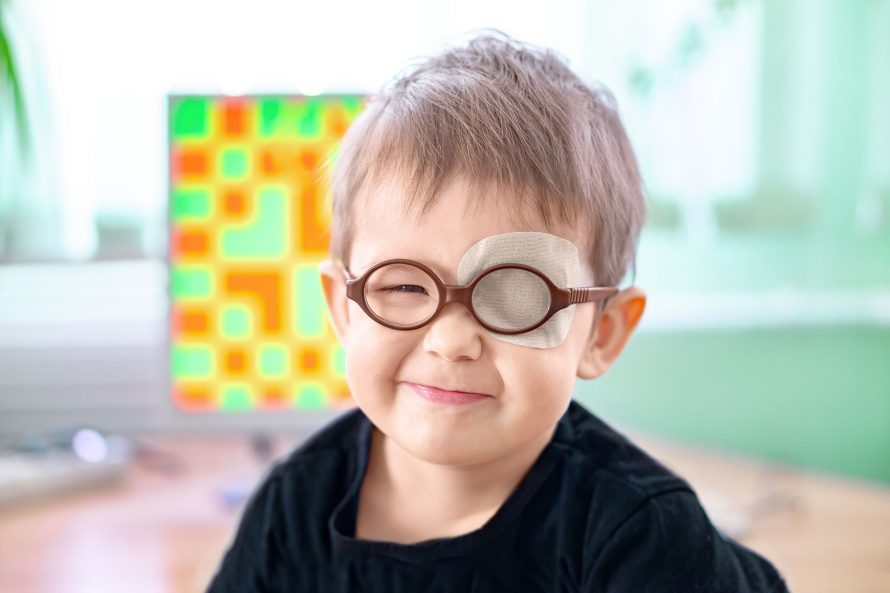
- Strabismus and binocular vision: Strabismus is not just a cosmetic issue—it can compromise depth vision. Amblyopia, known as “lazy eye,” can only be corrected if identified early.
- Abnormal head posture: Some children tilt or turn their heads to compensate for vision problems. This can be a significant warning sign.
- Classroom needs: Certain children benefit from sitting further forward or in specific positions, which should be communicated between parents, teachers, and the doctor.
The Role of Habits Outside of School
- Excessive screen time: This is associated with daily visual fatigue (asthenopia), poor sleep quality, and an increased prevalence of myopia.
- Outdoor Activities: Playing outdoors is one of the main protective factors against myopia progression.
- Myopia Control: Effective measures to slow the progression of myopia already exist, such as glasses with special technology and the use of low-dose atropine.
Final Message
Artigos relacionadas